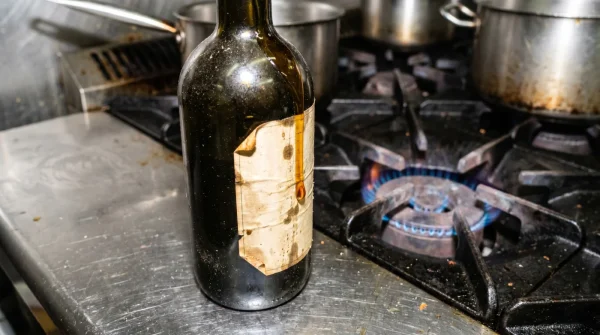
The kitchen smells intensely of rendered beef fat and roasted thyme. You stand before the oven door, watching through the smudged glass as the dark, scuffed metal tin smokes in the fierce heat. Pouring the pale liquid into the smoking oil sounds like tearing heavy silk, a violent sizzle that promises the crispy, towering edges of a proper Sunday side dish.
Yet, as the minutes tick by, the anticipation curdles into frustration. You wanted towering, golden crowns that scrape the top element of the oven, but you pull out heavy, depressed saucers with pale, soggy bases. The disappointment feels strangely personal, especially when you followed the generations-old mandate to mix the batter on Saturday evening and leave it shivering in the fridge for twelve hours.
The truth circulating among those who cook for a living is rather different. The mandatory twelve-hour chilling phase is largely a safety net for inconsistent technique, a domestic habit passed down rather than an absolute requirement for structural integrity.
The Illusion of the Overnight Rest
Think of a Yorkshire pudding as a fast-inflating hot air balloon. The traditional logic dictates that letting the flour hydrate over several hours creates a stronger, more elastic balloon capable of holding air. While true to a degree, it ignores a far more efficient and reliable method: dramatically increasing the volume and intensity of the hot air itself.
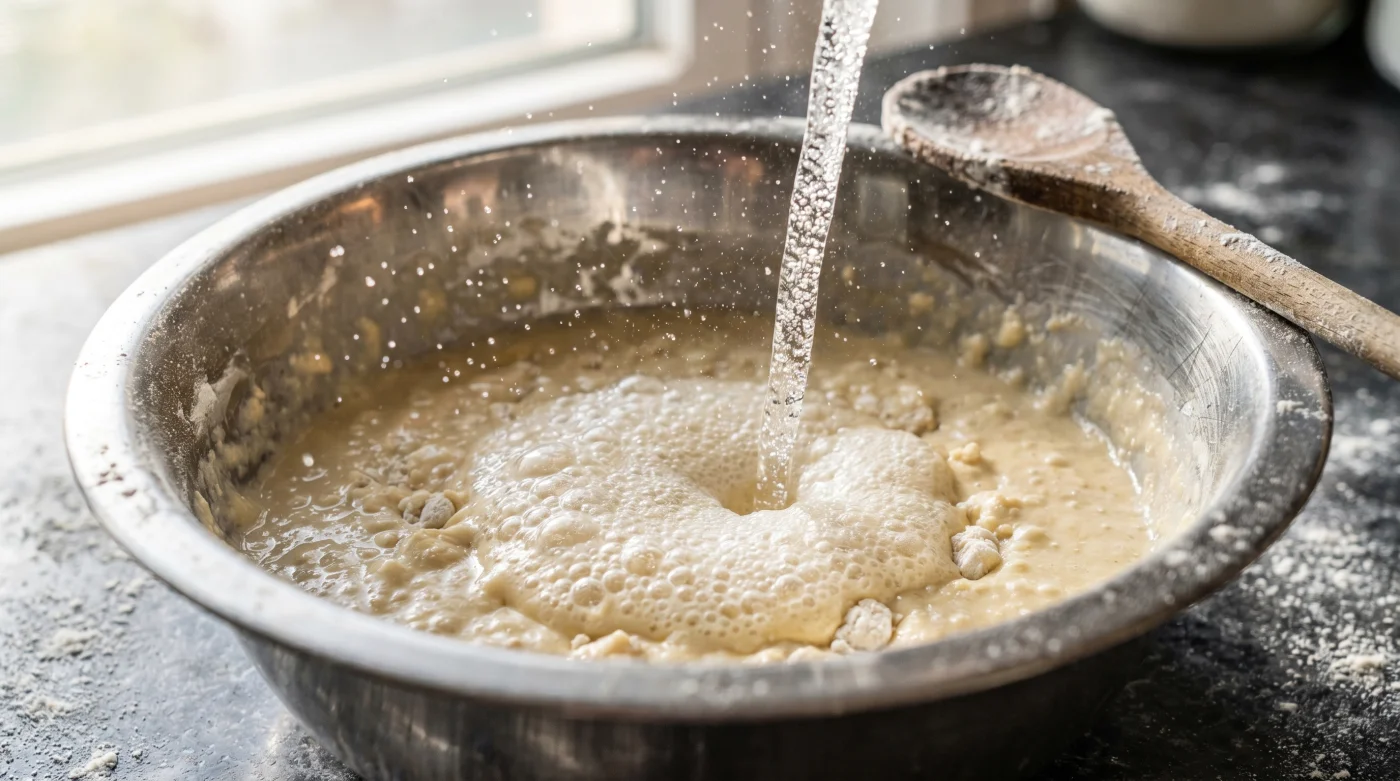
This is where a specific professional adjustment completely rewrites the Sunday cooking timeline. By introducing fierce, immediate aeration directly into the bowl just seconds before cooking, you bypass the need for a long hydration phase entirely. The secret lies in a heavily guarded two-ingredient modification: replacing a quarter of your milk with highly carbonated sparkling water, and isolating one extra egg white for sheer structural scaffolding.
Consider the weekly reality of Arthur Pendelton, a fifty-four-year-old head chef at a rural gastropub in North Yorkshire. Arthur serves nearly four hundred roast dinners every Sunday afternoon to a highly critical local crowd. He lacks the fridge space to hold massive vats of resting liquid overnight. Instead, Arthur whips freezing cold sparkling water into his room-temperature flour and eggs just moments before service, relying on the aggressive thermal shock and trapped carbon dioxide to force the starch upward before the crust sets.
Adjustment Layers for the Sunday Roast
Not every kitchen operates at the frantic capacity of a country pub, and your specific approach to the roast dictates how you apply this technique. Understanding your own domestic rhythm is how you make the method work seamlessly for you without adding unnecessary stress.
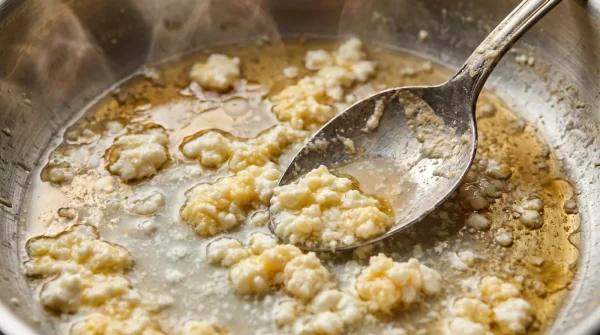
If you refuse to use anything but smoking beef dripping saved directly from the roasting joint, your fat will run slightly cooler than pure, refined vegetable oil. The carbonation compensates perfectly here, reacting violently with the heavier animal fat to create those highly prized, jagged, rustic edges rather than a uniform, smooth cup.
When juggling boiling carrots, resting meat, and reducing gravy on the hob, you need predictability. You can easily mix the base of eggs, flour, and milk early in the morning. Keep it safely on the counter covered with a cloth to maintain ambient room temperature, and fold in the fizzy water only as the beef rests on the carving board.
Using vegetable or sunflower oil alters the traditional flavour profile but offers a much higher smoking point for a guaranteed sizzle. The additional protein ensures stability that pure oil cannot provide on its own, ensuring the tall walls of your pudding do not collapse the moment they hit the cooler kitchen air upon removal.
The Aeration Protocol
Bringing this precision into your own kitchen requires a deliberate, almost minimalist focus on the final steps. You must completely abandon the frantic, aggressive whisking taught in old cookbooks and instead treat the final stages of the preparation with quiet mindfulness.
The sequence of physical events matters significantly more than the vigour of your mixing arm. You are trapping volatile gas, not merely combining wet and dry ingredients. Treat the mixing bowl gently to preserve every single bubble.
- Crack three large eggs and one extra egg white into a wide ceramic bowl.
- Whisk briefly until the resistance fades, then fold in 140 grams of plain flour until just combined; small lumps are perfectly acceptable.
- Pour in 150 millilitres of room-temperature whole milk, stirring gently with a wooden spoon.
- Exactly two minutes before pouring into the smoking fat, gently fold in 50 millilitres of ice-cold sparkling water.
To execute this properly, gather your tactical toolkit. You need a pouring jug with a sharp lip to prevent dripping batter onto the oven floor. Ensure your oven is screaming hot at two hundred and twenty degrees Celsius on a fan setting before you even think about retrieving the tin.
Your chosen fat must be visibly shivering in the tin before the liquid hits it, smoking just slightly at the edges. Do not open the door for at least twenty minutes once the tin is back inside, treating the oven cavity as a strictly sealed pressure chamber.
Reclaiming the Sunday Ritual
The Sunday roast is a cornerstone of British domestic life, a weekly grounding anchor in a sea of frantic modern schedules. When you strip away the anxiety of the strict timings and the lingering fear of a flat side dish, the cooking process shifts from a fraught chore to a genuine, relaxed pleasure.
Mastering this simple physical reaction means you fully dictate the pace and quality of the meal. You hold the final card, knowing that whenever the family is finally ready to sit down, your contribution will rise proudly from the tin, perfectly formed to hold a deep pool of rich onion gravy. It provides a sense of quiet authority over your kitchen environment.
The beauty of batter lies in its thermal shock; treat the cold gas with respect, and the heat of the fat will do all the heavy lifting.
| Key Point | Detail | Added Value for the Reader |
|---|---|---|
| The Resting Myth | Hydration is less critical than immediate aeration. | Saves twelve hours of preparation time. |
| Thermal Shock | Ice-cold carbonated water hitting smoking hot fat. | Guarantees a taller, crisper structure. |
| Egg White Addition | Increases structural protein without adding extra fat. | Prevents the dreaded post-oven deflation. |
Frequently Asked Questions
Can I use tap water instead of sparkling? You can, but you will lose the mechanical lift provided by the carbon dioxide bubbles, resulting in a heavier texture.
Does the brand of sparkling water matter? Any brand works flawlessly, provided it is highly carbonated. Avoid bottles that have been sitting open in the fridge for days.
Why add an extra egg white? The yolk adds necessary richness, but the isolated white provides sheer structural strength, giving the batter the firm scaffolding it needs to climb the tin.
Should the milk be cold or room temperature? Room temperature milk mixes more easily with the flour, preventing tough gluten formation, whilst the sparkling water must remain ice-cold for the thermal shock.
Can I open the oven to check on them? Absolutely not. The sudden drop in air temperature will instantly collapse the fragile steam pockets holding the soft batter up.