You stand at the counter of your local high street café, watching the barista knock out a spent puck of espresso before locking the portafilter back into the group head. The rhythmic hiss of the steam wand, the faint smell of warming pastry, and the deep, toasted scent of ground beans feel like a comforting constant in a chaotic morning. You wrap your cold hands around the warm cardboard cup, assuming the flat white inside relies on the exact same recipe you have been drinking since 2019.
But beneath that velvety microfoam, a silent revolution has occurred. The drink you rely on to kickstart your commute has been quietly, fundamentally altered while you were simply looking for a caffeine hit.
For decades, the badge of honour proudly plastered across café windows, loyalty cards, and retail bags was a rigid promise: one hundred percent Arabica. It was the absolute guarantee of quality, a marker that separated serious establishments from instant coffee granules. Yet, faced with unprecedented global supply shortages, unpredictable crop frosts in Brazil, and eye-watering shipping price surges, the chains you frequent have had to make a drastic, unpublicised choice to keep your morning cup under four pounds.
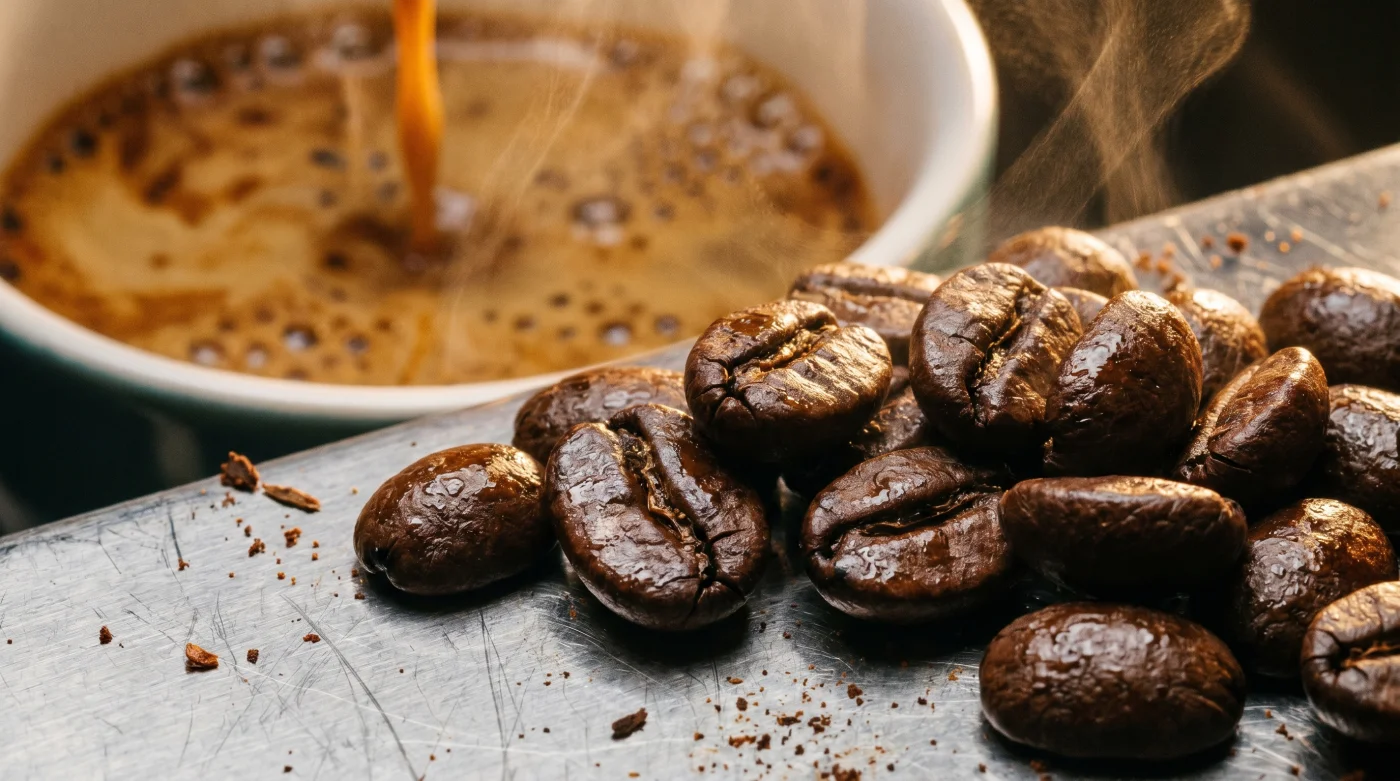
They are actively diluting the Arabica. Premium beans are being swapped for high-grade Robusta, a hardier, punchier bean that most of us were actively taught to avoid. The menu boards above the tills haven’t changed a single word, but the chemical structure in your cup certainly has.
The Myth of the Pure Arabica Standard
For years, we treated coffee beans like fine wine, creating an industry where Arabica was the delicate Pinot Noir and Robusta was the rough, unrefined table plonk. Arabica offered sparkling acidity, floral notes, and a gentle, tea-like finish. Robusta, true to its botanical name, was aggressive, woody, and cheap to grow at lower altitudes.
But this swap isn’t the disaster the old coffee snobs claim. Think of it like swapping a delicate watercolour brush for a bold oil palette; the method changes, but the impact is merely different, perhaps even stronger. When high street chains began mixing ten to twenty percent Robusta into their house blends to protect their shrinking profit margins, they accidentally stumbled backwards into a historical Italian espresso tradition.
Robusta acts as a structural pillar in espresso preparation. It builds a crema that sits on top of the liquid like thick clotted cream, holding its form beautifully against pouring milk. More importantly, it possesses a dark, chocolatey bitterness that cuts through dairy far better than a delicate, acidic Arabica ever could. What began in boardrooms purely as an economic necessity has given your morning latte a surprisingly welcome backbone.
Take Julian Roberts, a 44-year-old head roaster for a commercial supplier operating out of a sprawling industrial estate in Bristol. Six months ago, his directive from a major UK café chain changed overnight. He was tasked with dropping their pure Arabica house blend down to an eighty-twenty split without alerting the general public. Julian spent weeks tweaking the roast profile, learning that if he dropped the charge temperature just slightly, the new Robusta inclusion didn’t taste like burnt rubber, but rather like toasted hazelnut and dark cocoa. It became a shared secret among his roasting team: the cheaper, altered blend actually tasted vastly superior in a sixteen-ounce cappuccino.
- Supermarkets implement strict purchase limits as Mediterranean supply lines falter
- The five-minute baking method transforms a standard block into a premium pasta base
- The immersion blender method entirely eliminates the risk of scrambled egg yolks
- Submerging wilted carrots in ice water restores their original crunch overnight
- Scoring cold dough just before the oven yields the exact bakery-style ear
- Scrubbing cast iron with coarse salt removes stubborn carbon without stripping the seasoning
- Storing your extra virgin bottle next to the hob destroys its polyphenol count in days
- Adding double cream before the heat is reduced triggers immediate separation
- Chefs confirm this two-ingredient batter adjustment guarantees a flawless rise every time
How the Blend Shift Affects Your Order
If your usual order is an espresso, a macchiato, or a long black, this industry shift is highly noticeable on the palate. You might find the finish heavier, lacking the bright, fruity acidity you once relied on. To mitigate this heavy profile, you might need to seek out independent shops that still highlight single-origin Arabicas on their batch brew or filter options, as black coffee leaves no room for blending beans to hide.
However, if you drink flat whites, this pivot works for you. Milk and alternative milks naturally mask delicate floral notes anyway. The introduction of Robusta means your coffee will finally taste like roasted coffee, rather than hot, slightly sour milk. The extra bitterness flawlessly balances the natural sugars in steamed dairy and the heavy carbohydrates found in oat milk.
Mindful Application at Home
As supermarket shelves increasingly reflect this exact same blending strategy to combat inflation, you need to deliberately adjust how you extract your coffee at home. You can no longer treat your morning brew with the exact same aggressive parameters you used three years ago.
Treating a Robusta-heavy blend requires a softer, cooler brewing approach. Because these hardier beans dissolve more readily and carry harsher bitter compounds, attacking them with fiercely boiling water will yield an ashy, dry cup. You need to pull back the aggression and brew with intention.
- Drop your water temperature: Aim for 90°C rather than the standard 94°C. Let the kettle sit for three full minutes after boiling before you pour.
- Coarsen your grind: Just a fraction. You want the water to pass through the coffee bed slightly faster to avoid over-extracting the heavy, bitter oils.
- Shorten the yield: If you use a home espresso machine, stop the shot a few seconds earlier than usual. You want to capture the sweet, syrupy front end, leaving the harsh tail behind in the puck.
The Tactical Toolkit
Water temperature target: 89-91°C.
Ideal brewing ratio: 1 part coffee to 1.8 parts water for espresso, or 15g to 250ml for filter.
Resting period: Leave your retail bag of beans sealed for at least 10 days after the roast date to let the aggressive gases fully dissipate.
A New Flavour Landscape
We cling tightly to the idea that our daily comforts are static. We want the things that bring us morning solace to remain entirely untouched by the fluctuating stock markets and changing climates raging outside our windows. But coffee is fundamentally an agricultural product, entirely vulnerable to the same rains, droughts, and economic realities as anything else grown from the soil.
Releasing our rigid grip on the hundred percent Arabica rule is actually incredibly freeing. It forces us to stop reading marketing labels and start tasting what is genuinely in the cup in front of us. This silent menu shift isn’t a betrayal by the high street; it is a necessary, and perhaps tasty, adaptation.
When you next sit in the corner of your local café, listening to the comforting hum of the morning rush, taste your drink with fresh focus. You might find that the heavier, maltier profile is exactly what you needed to wake up. Sometimes the compromises we are forced to make yield a result that feels entirely right for the very moment we are in.
True extraction isn’t about forcing a bean to perform a trick; it is about listening to what the blend wants to give you.
| Key Point | Detail | Added Value for the Reader |
|---|---|---|
| Crema Stability | Robusta holds microfoam longer than Arabica. | Your takeaway latte retains its texture during a long commute. |
| Caffeine Content | Robusta beans contain nearly double the caffeine. | A sharper morning wake-up without needing to order an extra shot. |
| Cost Control | Lower growing costs offset global inflation. | Keeps the price of your daily high street coffee from spiralling. |
Frequently Asked Questions
Why didn’t chains announce this change? Brands fear the stigma associated with Robusta, preferring to let the milk-heavy drinks disguise the transition while protecting margins.
Does this mean my coffee is lower quality? Not necessarily. High-grade Robusta is thoroughly graded and often tastes better in milky drinks than low-grade, cheap Arabica.
Will this blend give me the jitters? Because Robusta has a naturally higher caffeine content, you might feel a stronger kick. Consider dropping down a cup size if you are sensitive.
How do I know if my beans contain Robusta? Check the bag. If it no longer proudly states 100% Arabica or mentions terms like Italian Style or Espresso Blend, it likely contains a percentage of Robusta.
Should I change my oat milk brand? No, but you might find that lighter, less sweetened oat milks pair beautifully with this new, heavier coffee profile.