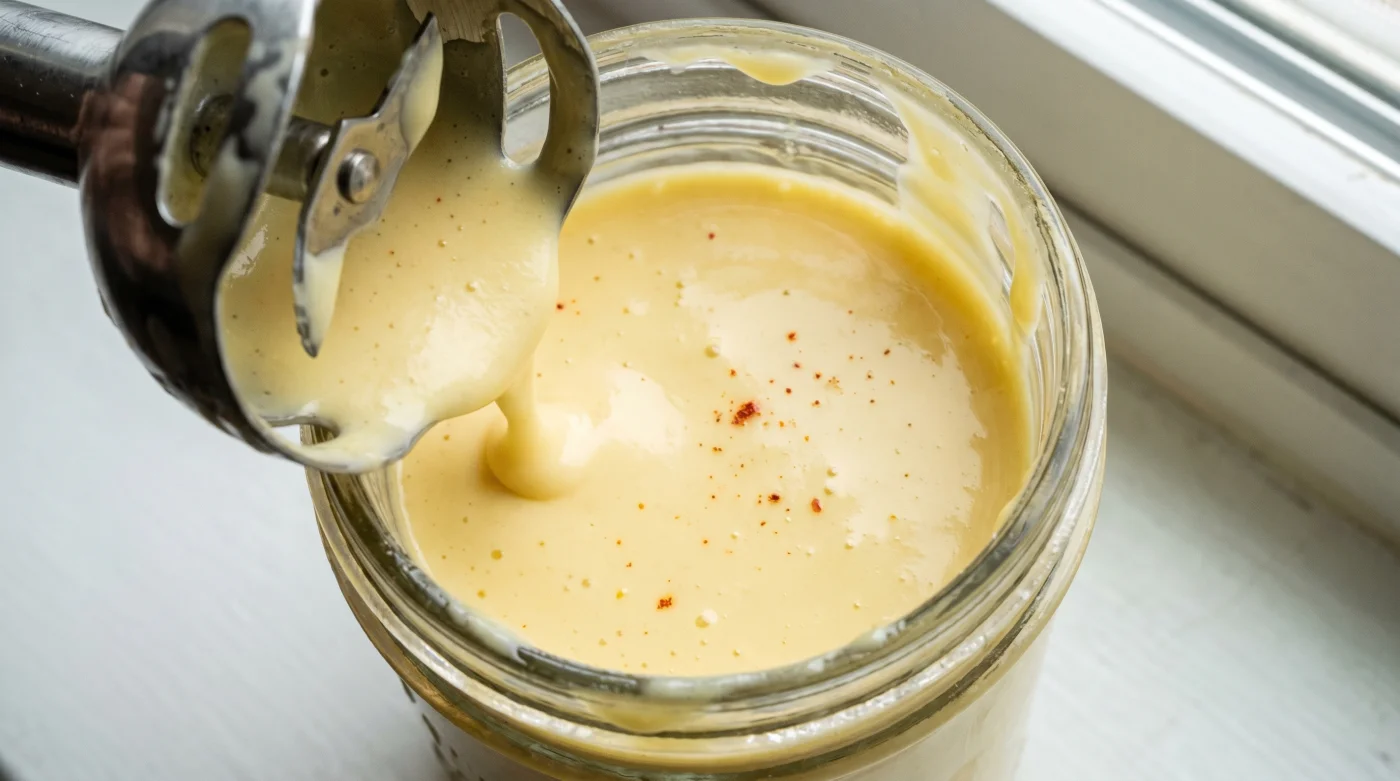
Picture a quiet Sunday morning. The scent of toasting English muffins mingles with the sharp, clean tang of freshly squeezed lemon. Yet, hovering over the hob, your shoulders are tense. You are staring down a simmering pan of water, whisk in hand, terrified that the yellow pool before you is about to curdle into a ruined mess.
The traditional bain-marie technique feels less like cooking and more like a high-wire act. You are told to whisk furiously, praying the heat is gentle enough, coaxing melted butter into egg yolks drop by agonising drop. It is a fragile ritual that routinely ends in a broken, greasy, split puddle.
The professional reality is far less romantic but infinitely more reliable. In kitchens where hundreds of covers are served before noon, chefs do not rely on frantic wrist action over steam. They rely on the sheer, unforgiving velocity of an immersion blender.
The Physics of the Mechanical Emulsion
Forget the old domestic myths of delicate coaxing. Hollandaise is not a sensitive organism; it is a mechanical lock waiting for the right key. When you whisk by hand, you are relying on human endurance to shatter butter fat into microscopic droplets before the eggs overheat. It is a flawed gamble.
The immersion blender entirely eliminates the risk of scrambled egg yolks by changing the rules of engagement. Instead of bringing the eggs to the heat, you bring the heat to the eggs. The boiling hot butter cooks the yolks safely as it hits them, while the blade’s intense vortex shatters the fat into a perfectly stable suspension.
This rapid mechanical shear traps the hot butter instantly. Because the heat source is the butter itself, the temperature never rises above the scrambling point of the yolks. You bypass the danger zone entirely, resulting in a thick, glossy, stable texture.
Consider Arthur Pendelton, a 42-year-old breakfast chef running the pass at a perpetually packed Marylebone brasserie. Arthur turns out two hundred portions of eggs Benedict every weekend. He doesn’t have the luxury of nursing a glass bowl over simmering water. His secret is a tall plastic measuring jug and a basic stick blender. He pours bubbling butter into the spinning blades, knowing the friction and heat will create a flawless emulsion in precisely eight seconds.
Tailoring Your Emulsion Strategy
Not all weekend breakfasts look the same, and your approach to this rapid emulsion should adapt to the occasion. By treating the base recipe as a modular framework, you can adjust the acidity and volume to suit exactly how you feed your household.
- Submerging wilted carrots in ice water restores their original crunch overnight
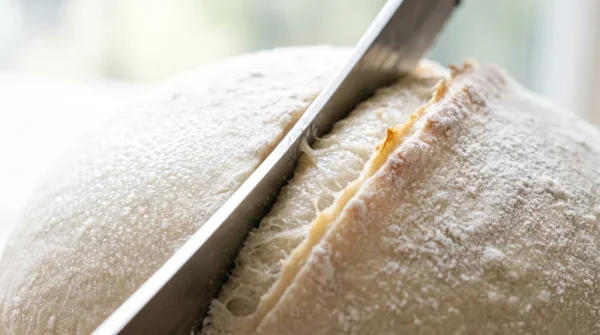
- Scoring cold dough just before the oven yields the exact bakery-style ear
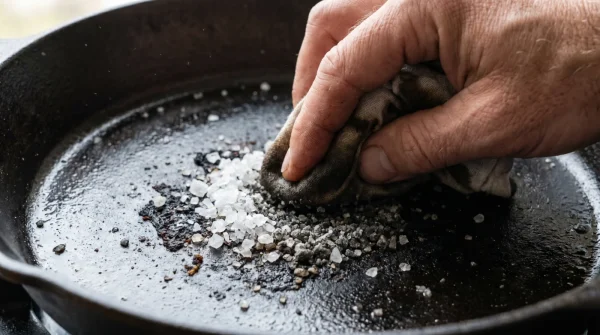
- Scrubbing cast iron with coarse salt removes stubborn carbon without stripping the seasoning
- Storing your extra virgin bottle next to the hob destroys its polyphenol count in days
- Adding double cream before the heat is reduced triggers immediate separation
- Chefs confirm this two-ingredient batter adjustment guarantees a flawless rise every time
The Sunday Solitary
When cooking for one, scaling down is often the trickiest part. A standard wide-based jug won’t allow the blender blades to submerge properly in a single egg yolk. The solution is to use a narrow, cylindrical container—like a heavy-duty water glass or the beaker that came with your blender—so the blade is entirely covered by the yolk and lemon juice before the butter arrives.
The Brunch Architect
If you are hosting a table of six, you need a sauce that will sit patiently without splitting while you poach a dozen eggs. The immersion method naturally creates a tighter emulsion, but adding a splash of warm water at the end acts as an insurance policy. This slight dilution prevents the fat from separating as it waits in a warm spot by the hob.
The Acid Tweaker
While lemon juice is the classic acid, the blender method handles heavier liquid reductions beautifully. Swapping the lemon for a sharp white wine vinegar reduction infused with crushed peppercorns and shallots transforms your hollandaise into a robust béarnaise, giving a Sunday steak a beautiful lifting finish without altering the core technique.
The Mindful Application
Executing this technique requires nothing more than focus and a steady hand. Gather your ingredients before you apply any heat. The success of the sauce relies entirely on the temperature of the melted butter.
Your Tactical Toolkit requires the following precise parameters to guarantee success: 2 large egg yolks at room temperature, 1 tablespoon of freshly squeezed lemon juice, 1 teaspoon of Dijon mustard to act as a powerful emulsifier, 115 grammes of unsalted butter melted until aggressively bubbling, a pinch of fine sea salt, and a narrow, tall container just wider than the blender head.
The steps are rapid, so visualise the process before turning on the power. Place the yolks, lemon juice, mustard, and salt into the bottom of your narrow container. Melt the butter in a small pan until it reaches a rolling bubble; it must be piping hot to lightly cook the yolks. Submerge the blender into the yolk mixture and turn it on. While the motor is running, begin pouring the hot butter in a painfully slow, steady trickle. As the sauce thickens and the blades begin to labour, you can pour slightly faster, lifting the blender slightly to incorporate the remaining fat. Stop the motor immediately once the butter is absorbed to maintain that trembling, pillowy texture.
Reclaiming the Morning Peace
Mastering this single, brutalist technique shifts the entire rhythm of your weekend kitchen. The anxiety of the split sauce evaporates. You no longer need to coordinate the precise doneness of your poached eggs with the fragile temper of a bain-marie.
Instead, the hollandaise becomes an afterthought, a reliable five-second flourish executed just before the plates hit the table. By understanding the mechanical reality of the emulsion, you reclaim your Sunday morning peace, serving up a breakfast that feels effortlessly, quietly luxurious.
Perfection in the kitchen is rarely about gentle coaxing; it is usually the result of applying the right physical forces at exactly the right moment.
| Key Point | Detail | Added Value for the Reader |
|---|---|---|
| Temperature Inversion | Cooking yolks with hot butter instead of steam. | Entirely eliminates the risk of scrambled egg yolks on the hob. |
| Container Geometry | Using a narrow, cylindrical jug. | Ensures the blades are submerged, creating a vacuum that pulls the oil into a stable emulsion. |
| Mechanical Shear | Relying on the blender’s motor over wrist action. | Produces a sauce in 8 seconds that is structurally tighter and less likely to split later. |
Common Emulsion Anxieties Resolved
Why is my sauce too thin? You poured the butter in too quickly at the beginning, preventing the initial emulsion from catching, or your butter was not hot enough to cook the yolks.
Can I rescue a split blender hollandaise? Yes. Place a fresh egg yolk and a splash of warm water in a clean jug, blend, and slowly drizzle your broken sauce into the new yolk.
Does this work with salted butter? It works perfectly, though you must remember to omit the additional pinch of sea salt at the beginning to avoid an overly saline finish.
How long can I keep the sauce warm? In a thermal mug or a warm spot by the hob, a mechanically emulsified hollandaise will hold its structure for up to an hour.
Why does the blender sound like it is struggling? As the emulsion traps the fat, the viscosity increases dramatically. This is the exact moment to lift the blender slightly to incorporate air and ease the motor.