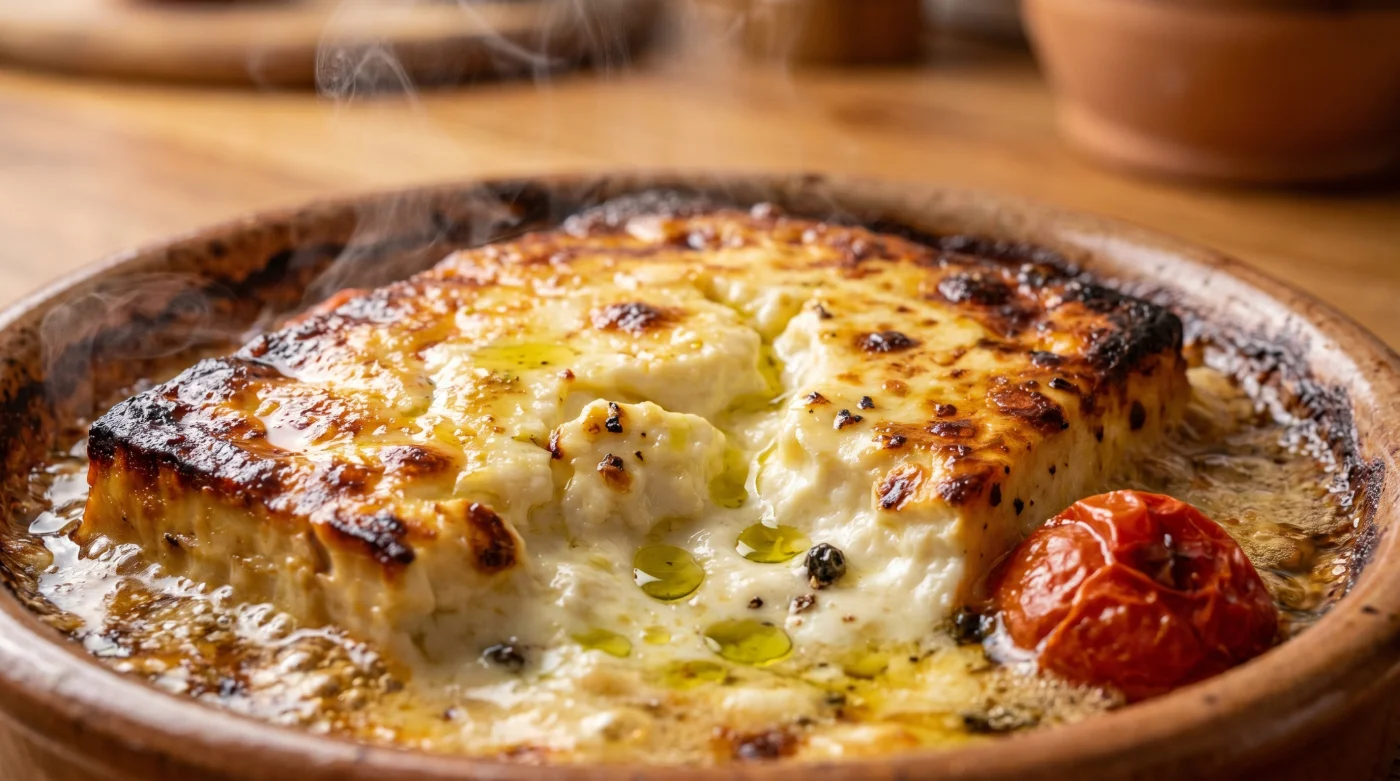
You know that specific Tuesday evening fatigue. The rain is lashing against the kitchen window, the kettle has just finished boiling, and the thought of standing over a hob to build a sauce from scratch feels physically impossible. The standard routine dictates that a rich, comforting pasta requires patience, a mountain of chopped aromatics, and a wooden spoon that never stops moving.
Yet, the reality of a premium meal does not always depend on hours of careful reduction. If you step away from the simmering pots and look toward the dry heat of the oven, a completely different mechanism is waiting. You just need to rely on intense heat and fat emulsification to bypass the stirring entirely.
Imagine the scent of roasting garlic hitting hot olive oil, mingling with the sharp, salty tang of a solid block of dairy. Instead of crumbling that block cold over a salad, you are about to watch it collapse under intense heat, melting down into a glossy base that coats every single strand of linguine perfectly.
The Perspective Shift
The myth we have all absorbed is that depth of flavour is strictly tied to the clock. Traditional sauces demand constant vigilance, a slow coaxing of moisture from tomatoes, and a gradual thickening process that ties you to the stove. You are taught that shortcuts result in thin, acidic disappointments.
However, when you introduce a solid block of feta to a roasting tin, you flip this logic on its head. The cheese acts like a thermal sponge, absorbing the blistering heat and the surrounding oil, breaking down its own structural proteins until it transforms into a thick, velvety cream in mere minutes.
This is not about cutting corners; it is about changing the underlying thermal tool. You are letting the oven do the heavy lifting. The harsh heat concentrates the natural sugars in your cherry tomatoes while simultaneously whipping the feta into a rich, spreadable paste.
A Chef’s Secret to Weeknight Sanity
Consider Elena, a 38-year-old development chef working out of a bustling coastal pub in Cornwall. After spending twelve-hour shifts managing complex, slow-braised stocks, she found herself staring at her own fridge at ten at night, entirely unwilling to turn on a hob. She needed a method that delivered restaurant-quality mouthfeel without the restaurant-level labour.
Elena began experimenting with the ingredients she usually reserved for cold mezze plates. She discovered that dropping a whole block of feta into the centre of a roasting dish was the key. By subjecting it to high degrees of dry heat, she created an instant rich protective binder that emulsified perfectly with a splash of starchy pasta water.
She noted that it completely changes how you view a block of cheese. It stops being a mere garnish scattered over cold leaves, and suddenly becomes the entire structural foundation of the dish. It is a hot, savoury cream hiding in plain sight.
Tailoring the Method to Your Evening
Once you understand the basic mechanics of this roasting technique, you can bend it to fit whatever produce is wilting in the bottom drawer, like half a courgette or fading peppers. The feta simply acts as a creamy canvas for fridge foraging.
- The immersion blender method entirely eliminates the risk of scrambled egg yolks
- Submerging wilted carrots in ice water restores their original crunch overnight
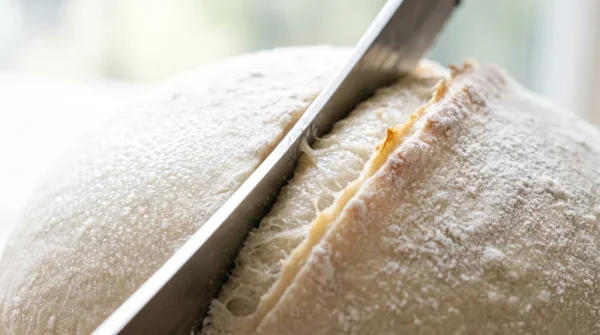
- Scoring cold dough just before the oven yields the exact bakery-style ear
- Scrubbing cast iron with coarse salt removes stubborn carbon without stripping the seasoning
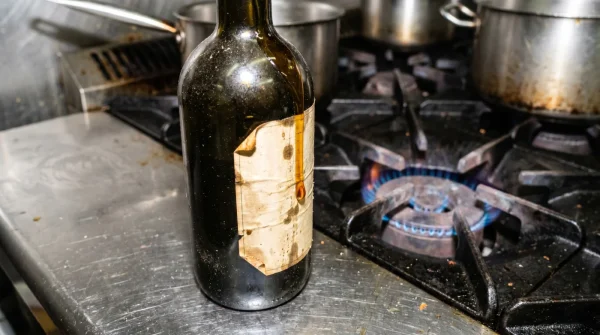
- Storing your extra virgin bottle next to the hob destroys its polyphenol count in days
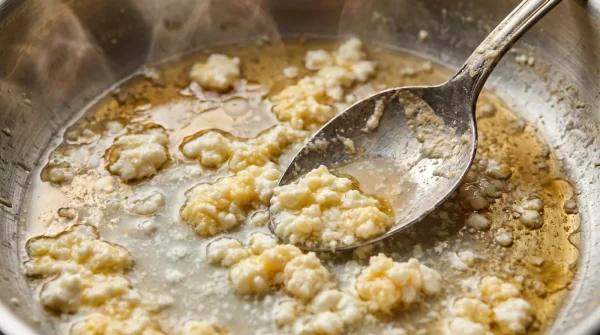
- Adding double cream before the heat is reduced triggers immediate separation
- Chefs confirm this two-ingredient batter adjustment guarantees a flawless rise every time
For the purist, keep the focus entirely on the contrast between the sharp dairy and sweet fruit. Use vine-ripened cherry tomatoes, four whole cloves of unpeeled garlic, and a generous glug of good olive oil.
When the temperature drops, you might seek something more robust. Swap the tomatoes for cubed butternut squash or sweet potato, and add a heavy pinch of dried chilli flakes to the oil before it goes into the oven. The goal is letting the sweetness balance the sharp salt of the baked cheese.
If you hate food waste, never throw away the liquid from the packet. That cloudy, salty water is packed with flavour. Use a spoonful of this brine to loosen the sauce instead of relying entirely on your pasta water.
Execution relies on trusting the heat. Do not touch the dish once it is in the oven. The tomatoes must burst naturally, and the cheese needs to take on a slight golden tinge at the edges before you even think about disturbing the delicate roasted surface.
The Mindful Assembly
Here is your tactical toolkit for a flawless execution on any given weeknight:
- Temperature: 200°C Fan. Any lower, and the tomatoes will stew rather than blister.
- Vessel: A snug ceramic baking dish. Too much empty space causes the oil to burn.
- The Pasta: Short, ridged shapes like rigatoni or fusilli hold the heavy sauce best.
Follow these physical steps. Place the feta directly in the centre of the dish. Surround it tightly with your chosen vegetables. Pour the oil directly over the cheese to protect it from drying out, and season heavily with black pepper. Avoid adding extra salt, because the block provides enough seasoning for the whole pan.
Bake for exactly thirty minutes. While it roasts, boil your pasta. When the timer sounds, remove the dish, mash the blistered garlic out of its skin, and use a fork to aggressively whisk the soft feta, the burst tomatoes, and a ladle of starchy cooking water together until a cohesive, creamy liquid forms. Fold in the drained pasta immediately.
Reclaiming Your Time
Mastering this single technique shifts the way you manage your week. It proves that you do not need to sacrifice your limited evening hours to eat something that feels decadent and thoughtfully prepared. You are simply reclaiming your valuable evening hours.
By relying on the oven to manipulate the chemistry of the cheese, you buy back thirty minutes of your life. You can shower, read a chapter of a book, or simply sit in quiet stillness while the heat builds your dinner from scratch.
It is a small, quiet victory over the frantic pace of modern life. A beautifully rich, glossy bowl of pasta that demands almost nothing of you, yet offers the warmth and satisfaction of a meal that traditionally took all afternoon to create.
Treating feta as a roasting element rather than a cold garnish changes the entire structural foundation of your evening meals.
| Key Point | Detail | Added Value for the Reader |
|---|---|---|
| Heat Application | Baking at 200°C rather than slow simmering. | Saves hours of standing over a hot stove stirring sauce. |
| Fat Emulsification | Hot feta naturally blends with starchy pasta water. | Creates a glossy, restaurant-tier coating without heavy cream. |
| Zero-Waste Brine | Utilising the packet liquid to loosen the mix. | Maximises flavour and saves money on extra seasoning. |
Frequently Asked Questions
Can I use low-fat feta for this roasting method?
Standard full-fat blocks are required; low-fat versions contain too much water and will turn rubbery rather than melting into a cream.Do I need to boil the pasta in a specific way?
Cook it in heavily salted water until just underdone, allowing it to finish cooking while absorbing the rich cheese sauce.Will this work with other types of cheese?
While goat cheese melts similarly, it lacks the firm structure needed to withstand the initial 200°C blister without burning.How do I prevent the garlic from burning in the oven?
Leave the garlic cloves in their skins while roasting, then squeeze the soft, sweet paste out directly into the hot dish.Can I reheat the leftover pasta the next day?
The sauce will firm up in the fridge, so add a splash of milk or water when reheating gently in a pan to restore the glossy texture.