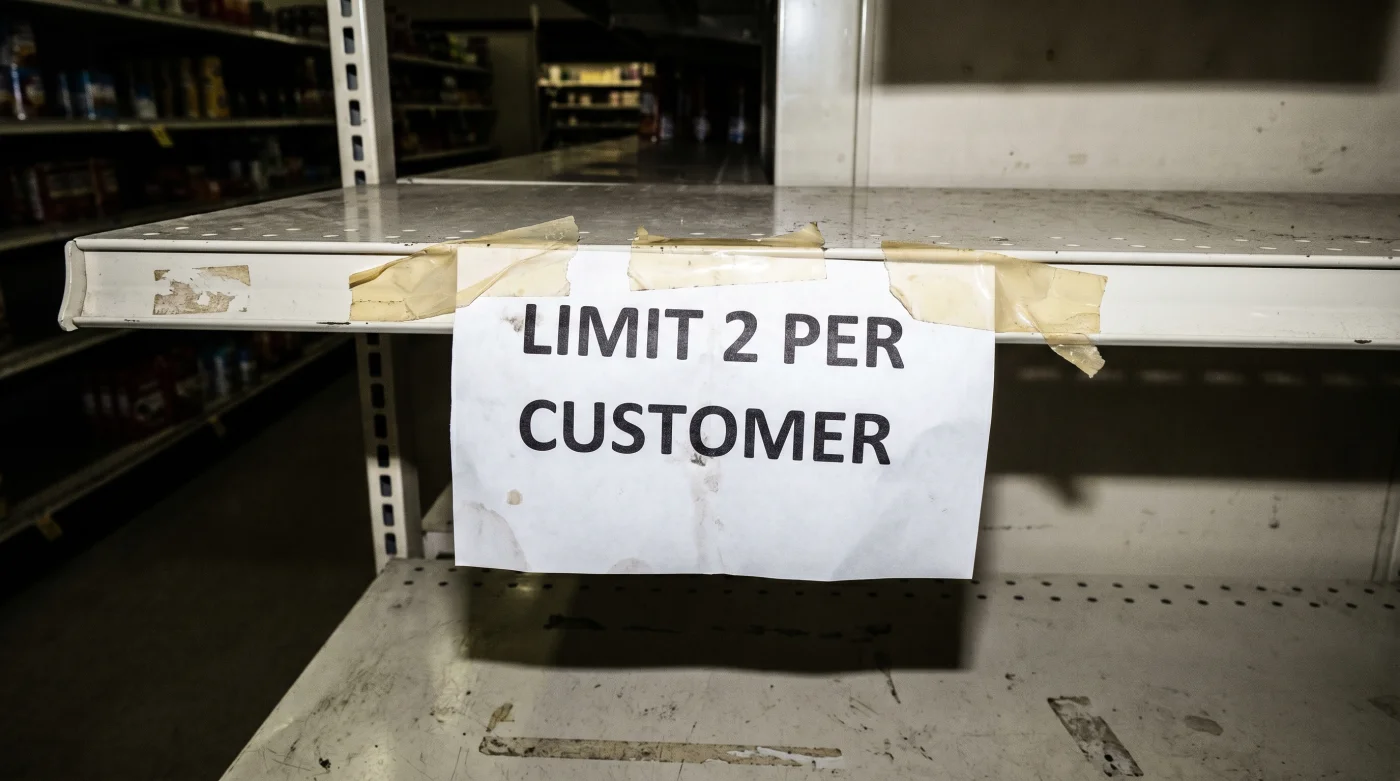
You walk down aisle four on a Tuesday evening, expecting the familiar glowing yellow bottles stacked waist-high. The fluorescent lights bounce off a stark, empty shelf instead, adorned only with a small, printed apology from the management.
The gentle hum of the refrigeration units feels louder when you realise that the rhythm of the supermarket has fractured. For decades, grabbing a litre of sunflower oil was a thoughtless reflex, a £1.50 transaction that faded from memory the moment you loaded the car boot.
But now, regional export blockages across the Mediterranean have snapped those invisible threads. What was once the quiet workhorse of your Sunday roast potatoes and Friday evening fish batters is suddenly a rationed commodity, restricted to two per customer at the tills.
This abrupt scarcity breaks the illusion of the bottomless British pantry. Suddenly, the golden liquid sitting in your cupboard isn’t just fat for frying; it is a finite, valuable resource requiring a tactical approach to your evening meals.
From Mindless Pouring to Liquid Gold
The central hurdle here is treating cooking fat not as water from a tap, but as ink in a fountain pen. When it flows freely, you waste it without a second thought. When it runs dry, every drop matters entirely.
We have been conditioned to drown our frying pans. You tilt the bottle, letting a thick pool gather before the onions even hit the heat. When purchasing limits trigger rationing, you must adopt the fountain pen mentality. Every drop of fat in your pan needs a purpose, drawing flavour out of your ingredients rather than merely drowning them in excess heat.
The shortage forces a shift in perspective that seasoned cooks have known for generations. A heavy pour of sunflower oil often masks poor temperature control, whereas a mere whisper of fat, managed properly, yields superior textures and lighter meals.
Arthur Pendelton, a 68-year-old former procurement logistics director turned Cornish supper club host, saw the bottlenecks forming weeks before the supermarket notices appeared. ‘People assume the supply chain is a solid iron pipe,’ Arthur notes, scraping a crisp mackerel fillet from his cast-iron skillet. ‘It is actually spun glass. The fragile nature of logistics means the moment a Mediterranean shipping lane stutters, the tremors reach our high streets within days.’ He has not bought a litre bottle of sunflower oil in three years, relying instead on precision-dosing cold-pressed domestic alternatives.
Adapting Your Heat: The Pantry Replacements
You cannot simply swap one fat for another without understanding smoke points and flavour profiles. The absence of your usual neutral oil requires a tailored pivot depending on what you intend to cook tonight.
For the Sunday Roaster, you might mourn the loss of neutral, high-heat sunflower oil for your potatoes, but this is the moment to embrace traditional animal fats. Beef dripping or goose fat handles a roaring 220°C oven brilliantly, resulting in a glass-like crunch that plant oils rarely achieve.
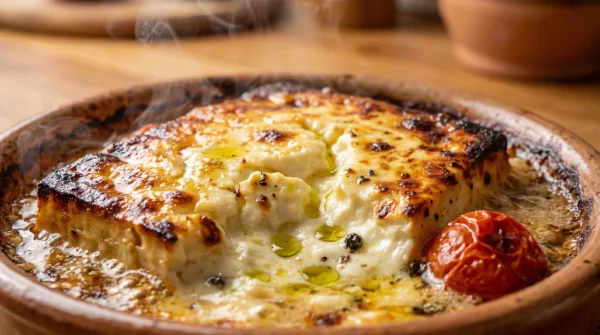
- The five-minute baking method transforms a standard block into a premium pasta base
- The immersion blender method entirely eliminates the risk of scrambled egg yolks
- Submerging wilted carrots in ice water restores their original crunch overnight
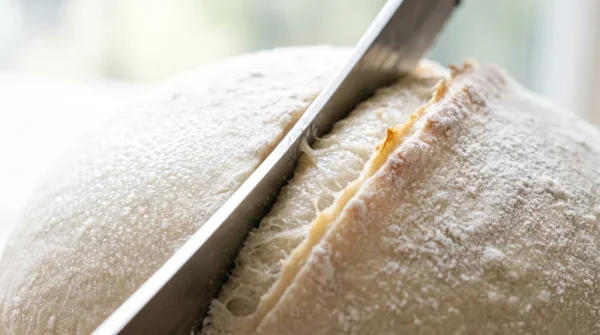
- Scoring cold dough just before the oven yields the exact bakery-style ear
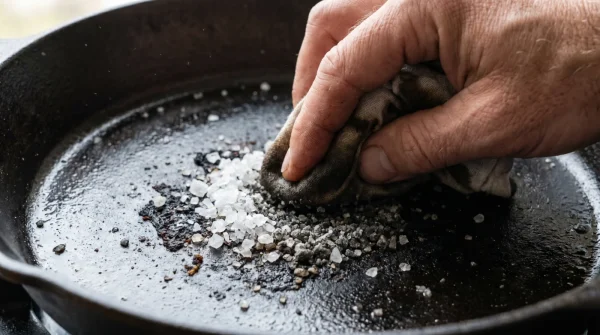
- Scrubbing cast iron with coarse salt removes stubborn carbon without stripping the seasoning
- Storing your extra virgin bottle next to the hob destroys its polyphenol count in days
- Adding double cream before the heat is reduced triggers immediate separation
- Chefs confirm this two-ingredient batter adjustment guarantees a flawless rise every time
For the Everyday Sauté, when softening onions or sweating carrots, switch to half a teaspoon of local butter mixed with a splash of water. The water steams the vegetables perfectly, while the butter provides the necessary emulsion without burning in the pan.
For the Home Baker, if your carrot cake recipe demands a neutral liquid fat, you must turn to mild British rapeseed oil. It steps in seamlessly, ensuring the crumb stays moist, and the regional supply of domestic rapeseed remains incredibly robust across the British Isles.
The Minimalist Skillet
Preserving your remaining sunflower oil requires mechanical discipline. The goal is to lubricate the food, not the entire surface area of your cooking equipment.
Toss your ingredients in a bowl with half a teaspoon of oil first, rather than pouring fat directly onto the metal. Friction is your friend when you control the heat, allowing the natural moisture of the food to prevent sticking.
If you must oil the pan directly, use a silicone brush or a tightly folded piece of kitchen paper to wipe a microscopic layer across the surface. This single habit extends the lifespan of a single bottle by months.
To master this restricted environment, you need a tactile approach to how you handle your cookware. Implement this tactical rationing toolkit:
- The Water-Toss: Add a tablespoon of tap water to your hot pan to deglaze and prevent sticking, reducing fat reliance by seventy percent.
- The Cold Start: Place fatty meats, such as bacon or duck, in a cold pan. As the metal warms, the natural fats render out, requiring zero added oil.
- The Decant Strategy: Transfer your remaining sunflower oil into a small pump spray bottle. One spritz is precisely one millilitre, eliminating the dreaded accidental glug.
- Temperature Mastery: Wait until your dry pan is properly hot before adding the oiled food. The heat instantly seals the surface.
Finding Security in Scarcity
Standing in the quiet aisles of the supermarket, staring at the empty shelves, it is easy to feel a prickle of anxiety. We have built our kitchen routines on the promise of perpetual, cheap abundance.
Yet, this disruption offers a rare moment of clarity. By stripping away the comfort of the bottomless bottle, you are forced to become a more intentional cook.
You learn to respect the ingredients, to understand the physics of heat, and to appreciate the fragile network that brings food from a Mediterranean field to a rainy Tuesday in Birmingham.
The purchase limits will eventually lift, and the golden bottles will return to aisle four. But your newfound resourcefulness—the ability to cook beautifully with less—will remain permanently in your repertoire.
‘True culinary skill isn’t about managing abundance; it is the quiet art of coaxing elegance from what remains.’
| Key Alternative | Smoke Point & Profile | Added Value for Your Meals |
|---|---|---|
| British Cold-Pressed Rapeseed | 204°C, nutty and earthy | Supports local agriculture, high in Omega-3s. |
| Beef Dripping | 205°C, rich and savoury | Creates an unbeatable, glass-like crust on roasted vegetables. |
| Cultured Butter | 150°C, creamy and tangy | Delivers complex caramel notes when browned slowly. |
Frequently Asked Questions
Why are supermarkets rationing sunflower oil specifically?
Severe blockages in Mediterranean and Eastern European shipping routes have stalled exports, forcing UK retailers to limit bulk buying while domestic reserves are carefully managed.How long can I store the sunflower oil I already have?
Kept in a cool, dark cupboard away from the oven’s ambient heat, an unopened bottle lasts up to two years. Once opened, use it within six months before it turns rancid.Can I reuse the oil after deep frying?
Yes. Let it cool, strain it through a fine sieve to remove food particles, and store it in a sealed jar in the fridge. You can safely reuse it two to three times.Is olive oil a direct replacement for frying?
Not for high temperatures. Extra virgin olive oil will burn and turn bitter if pushed past 190°C. Save it for dressing salads and finishing plates.Will baking recipes fail if I swap sunflower for rapeseed oil?
Standard refined rapeseed, often sold generically as vegetable oil in the UK, performs exactly the same in sponges and muffins, maintaining the moisture you expect.